Gardening Sydenham: Recycling and Sustainability for Green Waste
Our community-led eco-friendly waste disposal area and dedicated sustainable rubbish gardening area programme aim to keep Sydenham green. This page explains how we manage garden waste, support reuse and redistribution, and reduce carbon from collections. We describe measurable targets, local transfer stations we work with, partner charities, and the low-carbon vans that make our collection services both reliable and climate-smart. We believe in practical, neighbourhood-scale solutions that complement borough-level waste separation systems.At Gardening Sydenham we adopt an integrated approach to green waste and general recycling. The boroughs surrounding Sydenham typically encourage separate streams: paper and card, glass and cans, food waste, and garden waste. Our on-site sorting and transfer procedures reflect these categories so that compostables are properly treated and recyclables are recovered for reuse. We maintain a clear, labelled layout in the eco waste disposal zone to support residents and local allotments in making correct separations.
Recycling targets and local metrics
We set a clear recycling percentage target to drive progress: 65% of all garden and household recyclables captured by 2028, moving toward a 75% recovery rate for green and dry recycling streams by 2035. To reach these goals we monitor collections, weigh incoming loads at transfer points and report performance quarterly. Key material streams we prioritise include:- Garden and woody waste for community composting
- Food waste separated for anaerobic digestion
- Mixed dry recyclables (paper, cardboard, glass, metals)
We coordinate regular loads to several local transfer stations and recycling centres that serve south-east London and adjacent boroughs. Typical transfer hubs we use include the borough transfer yards in Lewisham and nearby processing sites that accept segregated green waste and organics. Consolidating loads at these transfer stations reduces the number of long-distance trips and increases the throughput to composting and anaerobic digestion plants. Our work plan includes scheduled visits that sync with borough collection rounds to minimise cross-loading.
All transport and on-site handling practices are designed around low-carbon principles. We operate a fleet of low-carbon vans and small electric vehicles for short runs inside the neighbourhood, and plug-in hybrid support vans for heavier loads when necessary. Vehicles are charged using on-site tariff-aligned charging points where possible and routed using software to reduce mileage. This approach lowers emissions and supports a quieter, less polluting local operation.
Partnerships with charities and community reuse
Strong partnerships with charities and social enterprises are central to our sustainable rubbish gardening area. We work with local and national organisations to extend the lifecycle of usable items and materials: community allotments and edible landscaping projects receive compost and woody mulch; social enterprises accept reclaimed wood and plant pots; and charities take reusable tools and furniture for refurbishment and resale. Partner groups include local food redistribution initiatives, community composting schemes and reuse charities that help divert usable items away from landfill.Operationally, we separate materials at source and at our sorting bays to meet borough recycling standards. Staff training emphasises correct sorting to avoid contamination of organics and recyclable loads. We maintain a clear chain-of-custody so that garden waste sent for composting, mulch production or anaerobic digestion is traceable back to collection points and transfer stations. This traceability supports our recycling percentage target and provides confidence that the sustainable garden waste disposal is handled responsibly.
 Community engagement is a pillar of our model: workshops with residents, signposted drop-off days for green waste, and volunteer shifts to maintain the eco waste disposal area. We support local swap events where intact pots, tools and planters are redistributed to gardeners in need. Through these activities we reduce demand for new materials and emphasise reuse over replacement. We also run seasonal campaigns to encourage correct separation — for example, reminding people to compost leaves and woody prunings separately from soft food waste.
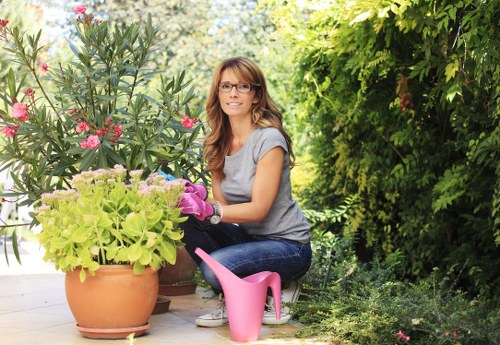 To ensure sustainability across the whole service we set clear performance indicators beyond the recycling percentage target. These include reduced vehicle kilometres through optimised routing, increased tonnes of material diverted to composting, and the number of partnerships maintained with charities and community groups. We also track the percentage of collections completed using low-emission vehicles and the proportion of green waste that is returned to the neighbourhood as compost or mulch. By measuring these metrics, Gardening Sydenham can adapt operations and showcase realistic progress toward a low-carbon, circular approach to garden waste.
Our vision for the eco-friendly waste disposal area and sustainable rubbish gardening area is pragmatic: keep soil and organic matter in the local ecosystem, give reusable items a second life through charities and community projects, and continually cut carbon from collection and processing. We welcome collaboration with local green groups and borough programmes to amplify impact, and we remain committed to the stated recycling targets. Gardening Sydenham aims to be a model for neighbourhood-scale, environmentally responsible garden waste management—practical, measurable and community focused.
Key commitments: reach 65% recycling for garden and household recyclables by 2028; reduce collection emissions through electrified vans; partner with transfer stations and charities; and return compost and mulch back to Sydenham green spaces.