Trusted gardeners for Sydenham Wells Park front gardens
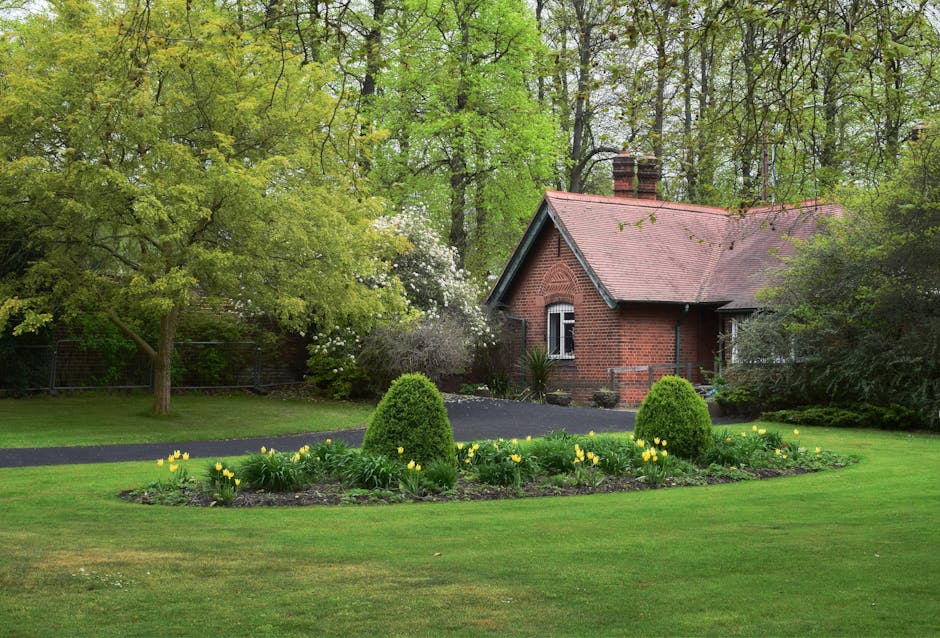
If you want your front garden to look neat, welcoming, and quietly well cared for, the difference usually comes down to one thing: having the right people looking after it. Trusted gardeners for Sydenham Wells Park front gardens understand how small outdoor spaces carry a lot of weight. They frame the house, shape first impressions, and often need a more careful touch than a back garden ever does.
That means more than a quick mow and a bit of sweeping. It means regular upkeep, tidy edges, healthy planting, and practical decisions about what will survive shade, foot traffic, dry spells, and busy London life. In this guide, we'll walk through what trusted front-garden care actually involves, what to look for in a good gardener, and how to avoid the usual headaches. No fluff. Just proper, useful advice you can act on.
Why Trusted gardeners for Sydenham Wells Park front gardens Matters
A front garden does a lot of quiet work. It sets the tone before anyone reaches the front door, softens hard paving, and can make a property feel cared for even on a dull Tuesday morning. In a place like Sydenham Wells Park, where homes and streets often benefit from a tidy, green edge, a front garden that is looked after properly can make the whole house feel more settled.
Trusted gardeners for Sydenham Wells Park front gardens matter because front spaces are exposed. They are the bit everyone sees, the bit deliveries pass, and the bit neighbours notice whether you meant them to or not. That doesn't mean they need to look perfect every day. It does mean they need consistent care, a bit of judgement, and a gardener who notices the small things before they become awkward ones.
And let's face it, front gardens can be deceptively fiddly. A patch that looks simple may need seasonal pruning, weed control, soil improvement, drainage attention, or a sensible planting plan that won't block paths or tip over in the wind. A trusted gardener spots that early. Not after it turns into a weekend of regret.
There is also the trust side, which people sometimes gloss over. You are letting someone work close to your home, your gates, your bins, your windows, and often your parked car. That means reliability, communication, and a clean working habit matter just as much as skill with a hedge trimmer.
How Trusted gardeners for Sydenham Wells Park front gardens Works
In practical terms, front-garden care is usually built around a simple rhythm: assess, plan, maintain, and review. The best gardeners do not treat every garden as identical. They look at the sun, soil, access, existing planting, and how much time you want to spend on upkeep between visits.
A typical service might begin with a short walkthrough. That is where a gardener checks the shape of the border, the state of the lawn if there is one, the height of shrubs or hedges, and whether any plants are overcrowding the path. They may also spot issues like compacted soil, spindly growth, drainage trouble, or a bed that has become more weeds than plants. It happens. More often than people admit.
From there, the work is usually split into recurring tasks and occasional bigger jobs. Recurring work might include:
- mowing or tidying small lawns
- edging borders and paths
- deadheading flowers and removing spent growth
- weeding beds and paved edges
- light pruning and shaping
- keeping entrances and visible areas neat
Occasional jobs may include replanting tired areas, improving soil, reshaping overgrown shrubs, or clearing out cluttered sections so the space feels open again. If the front garden is part of a larger property setup, it can also be coordinated with routine garden maintenance or broader landscaping work.
What makes the service trustworthy is not just the work itself, but the consistency behind it. A good gardener turns up when expected, explains what they have done, and leaves the area tidy. They also notice what needs attention next time. That sounds obvious, but it is honestly half the battle.
Key Benefits and Practical Advantages
The most obvious benefit is appearance. A neatly maintained front garden creates a stronger first impression, and that matters whether you are living in the home, renting it out, or simply trying to keep on top of a busy household. But the real value goes further than looks.
1) Better kerb appeal without constant effort. A reliable gardener keeps the garden looking intentional, not abandoned. You get the benefit of a tidy frontage without giving up every weekend to it.
2) Healthier plants over time. Regular pruning, feeding where appropriate, and sensible watering help plants settle in and hold their shape. You will notice the difference after a few visits, especially if the border was a bit unruly before.
3) Safer access. Overgrown branches, slippery leaf build-up, and uneven edges can create minor risks. A clean, well-managed front garden is easier to walk through and easier to keep safe for visitors, children, or older residents.
4) Less stress. Front gardens are often the ones people worry about most because they are visible. Having a trusted gardener removes that nagging feeling that "I really should sort that out."
5) Smarter use of small space. Front gardens in London often need clever planting, not more planting. A good gardener can make even a narrow strip feel balanced and alive rather than cramped.
There is also the subtle benefit of continuity. When the same person or team sees the space regularly, they get to know it. They spot changes in plant health, see where water gathers after rain, and learn what the garden needs rather than guessing every time. That familiarity is worth a lot.
Who This Is For and When It Makes Sense
This kind of service is not only for people with large or fancy gardens. In fact, front gardens are often the most practical place to start if you want outside space to feel under control.
You may need trusted gardeners for Sydenham Wells Park front gardens if you are:
- a homeowner who wants better kerb appeal without the weekly grind
- someone returning from holiday or a busy period to find the garden has run away with itself
- a landlord or property manager trying to keep the entrance presentable
- an older resident who wants a tidy space without heavy lifting
- a new homeowner trying to establish a better planting scheme from scratch
- someone with a small garden that looks messy quickly if not maintained
It also makes sense when your current routine is not working. Maybe you cut the lawn, but the edges still look rough. Maybe the shrubs are fine but the border is full of weeds. Maybe the garden needs regular attention, not a one-off rescue. That is a common point, actually. People often think they need a big redesign when what they really need is a good maintenance pattern.
If the garden has a tricky layout, poor soil, or awkward access, a professional eye becomes even more useful. Front gardens often have little margin for error. One badly chosen shrub can block a path. One neglected corner can make the whole place feel tired. Tiny space, big consequences. Bit unfair, really.
Step-by-Step Guidance
If you are thinking about hiring a gardener for a front garden, the process should feel straightforward. It does not need to be complicated, and it should not feel like a mystery either. Here is a sensible way to approach it.
-
Look closely at what the garden actually needs.
Before asking for help, walk the space and note what is bothering you. Is it weeds, overgrowth, patchy grass, poor planting, or just a general lack of neatness? The more specific you are, the better the advice you will get.
-
Decide whether you want maintenance, a reset, or both.
Some gardens need regular upkeep. Others need a one-time clear-out followed by lighter care. A few need both. Be honest about it, because the wrong plan will cost time and cause frustration later.
-
Ask about the gardener's approach.
Trusted gardeners should be able to explain how they work, what they include, and how they handle season changes. If someone cannot describe their process clearly, that is a small warning sign. Not always a deal-breaker, but worth noting.
-
Check how they deal with tidying and waste.
A front garden should be left looking better, not just cut down. Ask whether clippings are removed, whether paving is swept, and whether waste handling is included or arranged separately. This is one of those small details that makes a service feel professional.
-
Agree the priorities before work starts.
Maybe the lawn matters most. Maybe it is the hedges, or the entrance bed, or the paths. Set the order of work early so the result reflects what matters most to you.
-
Review the result after the first visit.
Take a minute to look at the edges, the sightlines from the street, and the overall balance. A good gardener will welcome feedback. The first visit is often where the service gets properly tuned to the garden.
That first review is underrated. It is where you can say, "Actually, could we keep this area lower?" or "That corner needs a bit more colour." Small feedback now saves bigger disappointment later.
Expert Tips for Better Results
There are a few practical habits that make front gardens easier to maintain and much better-looking over time. These are the details that experienced gardeners tend to watch for, even when nobody asks.
Choose plants that suit the space, not your wish list alone. It is tempting to pick the prettiest shrub at the garden centre. Fair enough. But if it grows too wide, hates shade, or sheds constantly, you may be giving yourself extra work for no good reason. Front gardens do better with durable, manageable plants.
Keep sightlines open near entrances. You want the front door visible, the path clear, and the space to feel welcoming. Tall planting can work beautifully, but it has to be controlled. Otherwise the garden starts to feel a bit closed in.
Use edging to make small spaces feel deliberate. A crisp edge around a lawn or border can transform the whole look of a front garden. It is a simple thing, but it changes how the eye reads the space.
Plan for the seasons, not just the moment. A garden that looks good in spring may feel flat in late summer or messy in autumn. A trusted gardener thinks ahead so the space keeps its shape and interest all year round.
Do not overplant. It sounds odd, but too many plants can create more maintenance than beauty. A few well-chosen species, given room to breathe, often look better than a crowded border trying too hard.
Book regular visits if the garden is exposed. Wind, rain, and street dust can undo neatness quickly. Short, regular visits are often more effective than infrequent big clear-ups. In other words, little and often usually wins.
Expert summary: the best front gardens are rarely the most complicated ones. They are the ones with sensible planting, clear edges, and regular upkeep. A trusted gardener helps you keep the design calm and the workload low.
Common Mistakes to Avoid
Front-garden problems usually come from a few very ordinary mistakes. Nothing dramatic, just the kind of things that sneak up on busy people.
1) Ignoring the edges. A lawn can be cut neatly and still look untidy if the edges are messy. The eye catches that immediately. It is a small thing, but it matters.
2) Letting shrubs grow for too long without shaping. Once a shrub becomes awkwardly large, it is much harder to bring back into balance. Regular shaping is easier than dramatic rescue pruning.
3) Choosing high-maintenance plants for a low-time routine. This is a classic mismatch. If you do not want weekly attention, avoid planting schemes that demand it. Simple truth, really.
4) Forgetting the front garden is seen every day. Back gardens can be a little untidy and still feel private. Front gardens do not get that luxury. They need a bit more discipline.
5) Hiring on price alone. Cheap can work sometimes, but if a quote seems unusually low, ask what is included. Are waste removal, tidy-up, and repeat visits covered? Are they insured? A bargain that creates more work later is not a bargain.
6) Not discussing expectations clearly. If one person expects a light tidy and the other expects a full refresh, trouble starts early. A short conversation before work begins solves more than people think.
7) Overlooking access issues. Narrow gates, parked cars, shared paths, and limited water access can all affect the job. Trusted gardeners will ask about this. If they do not, that is worth a second look.
Tools, Resources and Recommendations
The right tools make a visible difference, especially in front gardens where neatness matters. Professional gardeners usually carry the basics, but it helps to know what good practice looks like.
Useful tools and materials often include:
- sharp secateurs for clean pruning cuts
- hedge trimmers for shaping and straight lines
- lawnmowers or light strimmers for small lawns
- hand forks and trowels for border work
- edging tools for crisp borders
- mulch or compost where soil improvement is needed
- proper waste bags or collection arrangements for green waste
From a service point of view, it also helps to look at how a company presents its work and policies. For example, pages such as services overview, pricing and quotes, and about us can give you a better sense of how a gardener operates, what they offer, and whether their style matches what you need.
If you want to understand the wider service range, garden maintenance, lawn mowing, hedge trimming, garden clearance, and recycling and sustainability are all useful reference points. Front gardens often need a mix of these jobs rather than one single service.
If you are unsure what is most appropriate, ask for a visit or a scoped recommendation. A good gardener should be able to tell you whether the front garden needs light maintenance, a one-off tidy-up, or a fuller transformation. Honest answers are a good sign. So is not pretending everything is a disaster when it plainly is not.
Law, Compliance, Standards, or Best Practice
For most front-garden work, the key issues are practical rather than legal, but there are still sensible standards to follow. A trustworthy gardener should work safely, respect neighbouring property, and dispose of waste properly. They should also carry the right insurance for the kind of work they do, especially if tools, ladders, or tree and hedge work are involved.
Best practice usually includes:
- clear communication about scope and timing
- careful use of equipment around paths, driveways, and windows
- safe handling of sharp tools and powered machinery
- responsible removal or recycling of green waste
- attention to access, trip hazards, and tidy working methods
Where a job involves larger shrubs, tree work, or anything near boundaries and shared access, it is sensible to discuss the plan before work begins. That way there is less chance of misunderstanding later. If there are safety procedures, insurance details, or company standards published, it is worth reading them. Pages like insurance and safety and health and safety policy are the kind of thing careful customers often check first, and fairly so.
It is also wise to understand payment terms, privacy details, and service boundaries before booking. That is not being difficult. That is just sensible. For many homeowners, a clear policy page or simple written quote is enough to avoid confusion. To be honest, clear paperwork saves a lot of awkwardness later.
Options, Methods, or Comparison Table
Not every front garden needs the same approach. Some only need routine upkeep. Others benefit from an initial tidy-up followed by a lighter schedule. The table below compares the main options in plain terms.
| Approach | Best for | Typical strengths | Possible drawbacks |
|---|---|---|---|
| Regular maintenance | Front gardens that already have a decent structure | Keeps the space neat, predictable, and easy to manage | Needs consistency; misses can show quickly |
| One-off tidy-up | Overgrown or neglected front gardens | Fast improvement and a clean reset | Needs follow-up care or the mess returns |
| Light redesign plus maintenance | Spaces that look tired but have good potential | Improves both appearance and long-term manageability | Takes more planning and possibly a larger budget |
| Seasonal visits | Small gardens with limited planting | Useful for pruning, weeding, and seasonal refreshes | May be too infrequent for fast-growing areas |
For many homes, the sweet spot is a mix of regular maintenance and occasional heavier work. That way the garden stays presentable without turning into a constant project. Nice balance, if you can get it.
Case Study or Real-World Example
Here is a realistic example. A Sydenham Wells Park homeowner had a small front garden with a narrow path, a tired patch of lawn, two overgrown shrubs, and a border that had become mostly weeds. It was not disastrous, just one of those spaces that slowly starts looking neglected when life gets busy.
The first visit focused on clearing the edges, cutting back the shrubs to restore light and shape, removing the worst of the weeds, and re-establishing a cleaner line along the path. The lawn was mown and edged, and the border was thinned out so the remaining plants had room to breathe. No drama, no major digging. Just careful work.
On the second visit, the gardener suggested a few low-maintenance plants that would suit the position better than the existing mix. The homeowner did not want a fussy display. Fair enough. So the planting plan stayed simple: a small number of reliable plants, better soil at the root zone, and a cleaner structure that would be easier to keep neat.
The real improvement was not just visual. The front entrance felt easier to use, the path looked wider, and the space stopped feeling like something to apologise for. That is often what good front-garden work does. It quietly changes the feel of coming home. And sometimes that is enough.
Practical Checklist
Use this checklist before you book or before the first visit. It keeps things simple.
- Decide whether you want a one-off tidy-up or regular maintenance
- Note the main problems: weeds, overgrowth, lawn condition, planting, access
- Check whether waste removal is included or arranged separately
- Ask how often the gardener recommends visits
- Confirm whether the gardener is insured for the work involved
- Make sure the path, gate, and working area are accessible
- Set priorities for the front garden before work begins
- Ask how seasonal changes will be handled
- Agree on tidy-up standards after the job
- Review the result after the first visit and fine-tune if needed
Quick takeaway: if a gardener is reliable, clear, and careful with detail, the front garden usually becomes easier to live with almost straight away. You do not need the biggest transformation in the street. You just need the right one for your home.
Get a free quote today and see how much you can save.
Conclusion
Trusted gardeners for Sydenham Wells Park front gardens bring more than tidy borders and a neat lawn. They bring peace of mind, better curb appeal, and a garden that feels looked after without becoming a burden. For many homes, that is the real win. Not perfection. Just a frontage that feels calm, cared for, and ready for everyday life.
If you choose someone who communicates well, understands the scale of the job, and treats the details seriously, the results tend to speak for themselves. A front garden does not have to shout. It just needs to look like someone is paying attention. And that, truth be told, makes a bigger difference than most people expect.
When you are ready, take the next sensible step: compare your options, ask a few clear questions, and choose the gardener who feels steady rather than flashy. That is usually the one you will be glad you picked.
Frequently Asked Questions
What do trusted gardeners for Sydenham Wells Park front gardens usually do?
They normally handle front-garden maintenance such as mowing, edging, weeding, pruning, hedge trimming, tidy-ups, and occasional planting or clearance work. The exact mix depends on the garden's condition and how much upkeep you want.
How often should a front garden be maintained?
That depends on planting, lawn size, and exposure. Some front gardens only need occasional seasonal visits, while others benefit from fortnightly or monthly care. If the space is highly visible, regular attention usually keeps it looking much better with less effort overall.
Is a one-off tidy-up enough for an overgrown front garden?
Sometimes yes, but often it is only the first step. A one-off tidy-up can reset the space, but if the garden is exposed or fast-growing, follow-up maintenance is usually needed to stop it sliding back again.
How do I know if a gardener is trustworthy?
Look for clear communication, punctuality, a sensible explanation of the work, and a tidy approach. Trusted gardeners should also be open about what is included, how they handle waste, and whether they carry appropriate insurance for the work they do.
Can a small front garden still benefit from professional care?
Absolutely. Small front gardens often benefit the most because they are visible every day and can look messy very quickly. A professional can make a small space feel intentional, neat, and low maintenance.
What should I ask before booking a gardener?
Ask what services are included, how often they recommend visits, whether waste removal is part of the job, and how they handle access or safety issues. If you want a redesign rather than just maintenance, say that clearly from the start.
Do front gardens need different care from back gardens?
Yes, usually they do. Front gardens are more exposed, more visible, and often smaller or more awkwardly shaped. That means neatness, safety, and low-maintenance planting tend to matter more than in a private back space.
What is the best way to keep a front garden low maintenance?
Choose hardy plants, avoid overcrowding, use simple planting structure, and keep on top of weeds and edges. Regular light maintenance is almost always easier than letting the space build up into a big job.
How important is insurance for a gardener?
It matters a great deal, especially if tools, ladders, or more involved work are part of the job. Insurance is one of those things people hope never becomes relevant, but it is good practice to check before work begins.
Can a gardener help if my front garden has poor soil or drainage?
Yes. A good gardener can often improve the soil with compost or mulch, suggest better plants, and advise on what level of work is realistic. For serious drainage problems, more specialist work may be needed, but many smaller issues can be managed effectively.
How do I compare quotes fairly?
Compare what is actually included, not just the headline price. Look at waste removal, frequency, travel, maintenance scope, and whether the quote covers a one-off job or ongoing care. A slightly higher quote can be better value if it is more complete and less likely to produce surprises.
What if I only want a tidy front garden for kerb appeal?
That is a very common request. A trusted gardener can focus on the visible areas, shape the borders, improve the edges, and keep the entrance looking welcoming without turning it into a big landscaping project. Sometimes that is all you need.