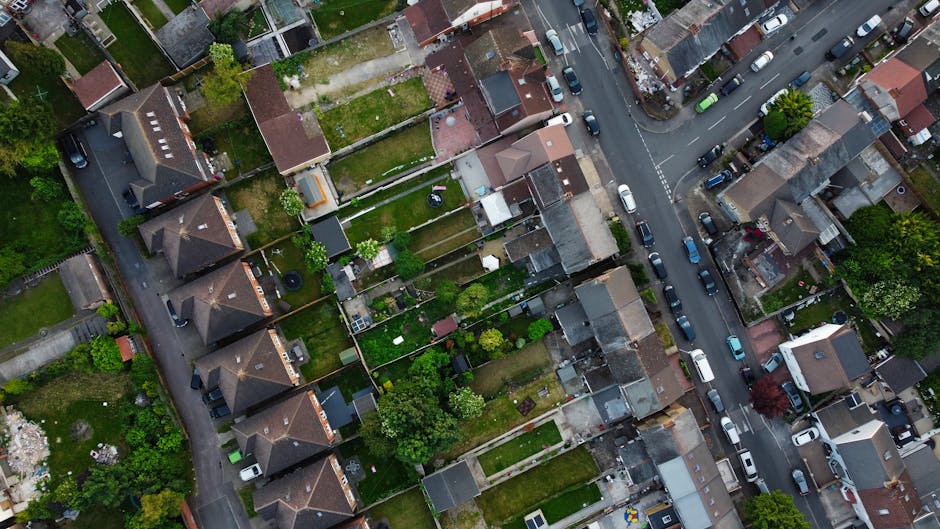
Garden maintenance near Sydenham Station and SE26: practical local care for tidy, healthy outdoor spaces
If you are looking into Garden maintenance near Sydenham Station and SE26, you probably want something simple: a garden that looks cared for without becoming another weekend job. Fair enough. Between busy commutes, shifting weather, shaded front gardens, and the usual London mix of compact plots and awkward corners, maintenance can slip quickly. A few missed weeks and suddenly the lawn looks tired, the borders are messy, and the hedge is doing its own thing.
This guide breaks down what local garden maintenance actually involves, how it works, what to expect, and how to choose the right level of help. It also covers practical concerns like safety, waste handling, seasonal timing, and the kind of service standards worth asking about before you commit. If you want a clearer picture before making a decision, you are in the right place.
Table of Contents
- Why Garden maintenance near Sydenham Station and SE26 Matters
- How Garden maintenance near Sydenham Station and SE26 Works
- Key Benefits and Practical Advantages
- Who This Is For and When It Makes Sense
- Step-by-Step Guidance
- Expert Tips for Better Results
- Common Mistakes to Avoid
- Tools, Resources and Recommendations
- Law, Compliance, Standards, or Best Practice
- Options, Methods, or Comparison Table
- Case Study or Real-World Example
- Practical Checklist
- Conclusion
- Frequently Asked Questions
Why Garden maintenance near Sydenham Station and SE26 Matters
Garden maintenance is not just about keeping things neat for the sake of appearances. In a built-up area like SE26, a maintained garden helps protect plant health, supports safer access, keeps boundaries under control, and prevents small issues from becoming expensive ones. A patch of unmanaged growth can block light, trap damp, encourage pests, or make paths slippery. That sounds dramatic until you have actually stepped onto a mossy paving slab in late autumn. Not fun.
Near Sydenham Station, many gardens need regular but efficient care rather than large, occasional overhauls. Some are small and paved with planted edges. Others have mature shrubs that need shaping, or lawns that need routine attention through the growing season. The right maintenance approach keeps the space usable all year, and that matters if you use the garden for drying washing, letting children play, entertaining, or simply sitting with a cup of tea when the weather behaves for once.
There is also a practical property value angle. A tidy, healthy garden tends to support the overall presentation of a home, which can make a difference whether you are staying put or planning to rent, sell, or just keep the place easier to manage. To be fair, most people do not hire help because they love spreadsheets and pruning schedules. They do it because life is full, and the garden still needs attention.
For a broader look at available support and service scope, it can help to review the services overview alongside the company's about us page to understand the local approach and working style.
Expert summary: Good garden maintenance near Sydenham Station and SE26 is usually consistent, seasonal, and practical. The best results come from small, regular tasks done well rather than occasional dramatic tidy-ups.
How Garden maintenance near Sydenham Station and SE26 Works
Most garden maintenance services start with a quick assessment of the space. That might be a walk-through in person or a detailed conversation about what the garden needs, how often you want visits, and which parts are most important. A front garden with a hedge and a couple of beds is a very different job from a back garden with lawn, mixed borders, overgrowth, and a compost corner that has become, frankly, a small ecosystem.
A typical maintenance visit might include mowing, edging, weeding, deadheading, pruning light growth, sweeping paths, clearing leaves, checking plant health, and removing green waste. Some gardens need more targeted work: cutting back climbers, shaping shrubs, restoring visibility around entrances, or tidying neglected corners. If the garden has been left for a while, the first visit often takes longer because it is doing the groundwork for future maintenance rather than just keeping up appearances.
The important thing is rhythm. Gardens near Sydenham Station and across SE26 often respond best to regular seasonal care. Growth is fast in spring and early summer, slower in winter, and messy in between. A service plan can be weekly, fortnightly, monthly, or seasonal depending on the size of the garden and how polished you want it to look. There is no magic formula, sadly. The right interval depends on what is planted, how much sun the garden gets, and how much use it receives.
Good providers will also discuss waste handling, access, and timing. In many homes, side access is tight, gates are awkward, and storage space is limited. These little details matter more than people expect. If waste needs to be bagged, removed, sorted, or recycled responsibly, that should be agreed in advance. You should never be left guessing what happens to the cuttings after the job is done.
Key Benefits and Practical Advantages
The clearest benefit is simple: your garden stays under control. But there are several other practical gains that are worth saying out loud.
- Less stress: You are not facing a full-day reset every few months.
- Healthier plants: Regular pruning, feeding, and clearing can reduce the chance of pests and disease spreading unnoticed.
- Safer access: Paths, steps, and entries are easier to use when they are kept clear.
- Better appearance: A maintained garden looks brighter, calmer, and more intentional.
- Seasonal preparedness: Leaves, storms, dry spells, and rapid growth are easier to manage when nothing has been left too long.
There is also a less obvious benefit: decision fatigue disappears a bit. Instead of wondering whether the hedge needs cutting, the lawn needs a tidy, or the borders are now officially a jungle, you have a plan. That may sound small, but in a busy week it really helps.
For households with older residents, renters, or people who travel often, regular maintenance can also reduce the risk of neglect-related issues such as blocked drainage areas, overflowing beds, or trip hazards. And for landlords or property managers, routine care is often much cheaper than a catch-up clearance after months of growth.
If you are comparing service levels, it is worth checking pricing and quotes so you can match the level of help to the actual condition of the garden rather than guessing.
Who This Is For and When It Makes Sense
Garden maintenance near Sydenham Station and SE26 makes sense for a wide range of people, but the reasons vary. Some want a showpiece garden; others simply want the space tidy enough to enjoy without feeling guilty every time they look outside. Both are fair enough.
It is especially useful if you:
- work long hours or commute regularly;
- have a garden that grows quickly in spring and summer;
- have shrubs, hedges, or climbers that need regular shaping;
- struggle with heavy, physical outdoor work;
- are preparing a property for sale or rental;
- have let the garden drift and need a proper reset;
- want a dependable routine rather than one-off fixes.
It also makes sense when the garden is small but high-maintenance. Compact spaces can be deceptive. A tiny yard with several planters, a lawn strip, and a climbing rose may take more care than a bigger, simpler plot. London gardens often do that. They look manageable from the kitchen window, then surprise you once you start the job.
For some people, the decision is less about ambition and more about preserving momentum. Once a garden falls behind, getting it back into shape can feel oddly daunting. A structured maintenance plan helps stop that slide.
Step-by-Step Guidance
If you want a reliable process for managing garden maintenance, this is the kind of sequence that usually works best.
- Walk the space properly. Note lawn condition, weed pressure, hedge growth, drainage issues, and access points.
- Define priorities. Decide what matters most: appearance, plant health, safety, or all three.
- Set a schedule. Choose weekly, fortnightly, or monthly visits based on growth rate and use.
- Agree the scope. Confirm what is included, such as mowing, pruning, weeding, leaf clearance, and waste removal.
- Plan seasonal tasks. Spring and autumn usually need extra attention; winter often needs lighter but more selective work.
- Review after the first visit. The first round often reveals hidden issues like dead stems, compacted soil, or borderline overgrowth.
- Adjust as needed. A good maintenance plan changes with the garden, not against it.
That process sounds straightforward because, mostly, it is. The tricky part is knowing when to push for a deeper tidy-up rather than just keeping pace. If a border is full of self-seeded weeds or the lawn has become patchy, a one-off restoration visit can save time later. Sometimes you need to take one step back before the steady maintenance really starts to work.
One helpful habit is to keep a simple note of what was done each visit. Nothing fancy. Just a small record of pruning, feeding, pest concerns, or areas to watch. It makes seasonal decisions easier, and you will spot patterns sooner.
Expert Tips for Better Results
Over time, the gardens that stay in good shape tend to share a few habits. Not glamorous ones, just sensible ones.
- Do the right jobs at the right time. Hard pruning, light trimming, and lawn care all have better windows in the year.
- Keep edges clear. Borders that are tidy at the boundary always make the whole space feel more intentional.
- Watch water movement. After rain, notice where puddles sit and where moss forms. That tells you a lot.
- Do not overcut. Cutting too much at once can shock plants and leave bare gaps.
- Use mulch thoughtfully. It helps with moisture retention and weed suppression, but only when applied properly.
- Leave some structure. A garden does not need to be stripped bare to look tidy.
Another tip, and this sounds obvious until you are standing there with shears in hand: know the difference between routine maintenance and restoration work. Routine maintenance keeps the garden on track. Restoration is for when things have drifted. Mixing the two up can lead to disappointment, because you cannot usually restore a neglected area in the same time it takes to mow a lawn. Truth be told, that is where people get impatient.
If your garden gets a lot of foot traffic or sits in a slightly shaded spot, you may also need extra attention to moss, compaction, and edges that wear away. Small adjustments can make a surprisingly big difference.
Common Mistakes to Avoid
Most garden problems do not start as big problems. They begin as small delays or assumptions. Here are the ones that cause the most trouble.
- Leaving pruning too late: By the time it looks urgent, the job is often more disruptive.
- Cutting everything at once: A heavy-handed tidy-up can leave plants stressed and the garden looking harsh.
- Ignoring access issues: Narrow paths, locked gates, and awkward waste routes slow the job down if nobody mentions them.
- Assuming one visit solves everything: A neglected garden usually needs staged care, not a miracle.
- Forgetting waste removal: Green waste piles up fast. Fast, really fast.
- Choosing a plan that is too infrequent: If growth is quick, maintenance every few months may be too sparse to stay in control.
One of the most common misunderstandings is thinking that all garden maintenance is basically the same. It is not. A flower-filled front garden, a family lawn, and a narrow courtyard each need a different method. The right service should feel tailored, not template-driven.
A second mistake is not asking how the work is handled safely. That matters for ladders, tools, slippery surfaces, and waste lifting. A tidy result is good; a tidy result delivered safely is better.
Tools, Resources and Recommendations
You do not need a shed full of equipment to keep a garden in decent shape, but the right tools do matter. For regular maintenance, the basics usually include a mower, edging tool, secateurs, shears, rake, hand fork, weeding tool, broom, gloves, and secure bags or bins for waste. In more established gardens, long-reach pruners and loppers may also be needed.
For homeowners or landlords who want to keep an eye on standards between visits, a simple seasonal checklist works better than most apps, to be honest. A notebook, calendar reminder, or phone note is enough if you actually use it. You can also refer to the provider's pages on recycling and sustainability if you want to understand how green waste and environmentally conscious working practices are approached.
If you are selecting a service, these are sensible things to look for:
- clear scope of work;
- straightforward communication;
- evidence of insurance and safe working practices;
- reasonable handling of waste and recycling;
- pricing that matches the actual work needed;
- flexibility for seasonal changes.
And yes, it helps if the service feels easy to talk to. Gardens are personal spaces. You want someone who listens, notices the details, and does not make you repeat everything twice.
Law, Compliance, Standards, or Best Practice
Garden maintenance is usually straightforward, but there are still standards worth paying attention to. In the UK, good practice means working safely with tools, handling waste responsibly, and avoiding avoidable damage to plants, structures, fences, and neighbouring property. If a provider is working at height, handling powered equipment, or taking away waste, they should be able to explain how they manage safety and liability in plain language.
It is also sensible to ask about public liability insurance, especially where there is any chance of injury or property damage during the work. Not every job is risky, of course, but reassurance matters. The provider's insurance and safety information and health and safety policy are useful places to start if you want that confidence before booking.
Waste handling should be clean and lawful too. Green waste, cuttings, and old plant material should be managed responsibly, ideally with recycling or composting where appropriate. On the customer side, it helps to know what is included in the service and whether disposal costs are part of the quote. That avoids awkward conversations later. Nobody enjoys those.
For service terms, payment expectations, and how jobs are agreed, it is wise to review the terms and conditions and payment and security information. If you need help with a concern after a visit, the complaints procedure should also be clear and easy to find.
Options, Methods, or Comparison Table
Different maintenance approaches suit different gardens. If you are trying to decide what level of support you need, this comparison may help.
| Option | Best for | Pros | Trade-offs |
|---|---|---|---|
| One-off tidy-up | Overgrown gardens or pre-sale preparation | Fast reset, immediate visual improvement | Does not prevent regrowth; may need follow-up |
| Regular maintenance | Busy households and gardens that grow steadily | Consistent results, less stress, easier planning | Needs commitment to a schedule |
| Seasonal maintenance | Gardens with slower growth or limited use | Lower frequency, good for basic control | May not be enough in peak growing months |
| Restoration plus upkeep | Neglected or highly demanding gardens | Brings the space back under control, then keeps it there | More work upfront, higher initial effort |
If you are unsure which route suits you, a good rule is this: if you are constantly catching up, you probably need regular maintenance. If the garden is mostly fine but needs occasional attention, seasonal work may be enough. If you are staring out the window thinking, "Well... that got away from me," then a restoration visit followed by a maintenance plan is usually the sane option.
Case Study or Real-World Example
Here is a realistic local example. A small family house near Sydenham Station had a back garden with a narrow lawn, two shrub beds, and a patio that kept collecting leaves. Nothing outrageous, just one of those spaces that looked okay from inside but felt more demanding once spring growth kicked in. By early summer, the lawn edges had blurred, the shrubs had started to lean into the path, and the patio had lost that clean, usable feel.
The first visit focused on a reset: mowing, edging, clearing the path, cutting back soft growth, removing dead material from the borders, and sorting the waste. After that, maintenance moved to a regular fortnightly rhythm during peak growth, then monthly once the season slowed. The difference was not dramatic in a glossy-magazine sense. It was better than that. The garden became easier to use, quicker to keep tidy, and less likely to need a full rescue again.
The key lesson was simple. The garden did not need a complete redesign. It needed consistency. That is often the case in SE26, where gardens are typically valuable but space is tight, and the real win is getting the most from what is already there.
Practical Checklist
Use this checklist if you are preparing to book garden maintenance or reviewing an existing arrangement.
- Walk the full garden and note the problem areas.
- Decide whether you need a one-off tidy-up or regular visits.
- Identify access points, gates, and any awkward sections.
- Confirm what is included: mowing, weeding, pruning, leaf clearance, edging, waste removal.
- Ask how the garden waste will be handled.
- Check whether the provider discusses safety and insurance clearly.
- Ask how often the service should run during spring and summer.
- Make sure the schedule fits your use of the garden.
- Keep a simple note of seasonal changes or recurring issues.
- Review the service after the first visit and adjust if needed.
This is the kind of checklist that saves time later. Not exciting, but useful. Very useful.
Get a free quote today and see how much you can save.
Conclusion
Garden maintenance near Sydenham Station and SE26 is really about making outdoor space easier to live with. The best service does not just cut grass or trim a hedge. It helps the whole garden stay healthy, safe, and manageable through the seasons. That means better timing, clearer communication, sensible waste handling, and a plan that suits the actual garden rather than a generic routine.
If you take one thing from this guide, let it be this: small, regular care beats panic clean-ups almost every time. Once the basics are under control, a garden becomes enjoyable again. You notice the light in the borders, the sound of birdsong after rain, the calm of a tidy path in the early evening. Nice, really.
If you are ready to explore the next step, a good place to start is the services overview and contact page, where you can ask about the level of support that fits your space.
And if you care about how a company works beyond the garden itself, the accessibility statement and privacy policy are worth a look too. Small details, but they often tell you a lot.
Good gardens do not happen by accident. They are looked after, steadily and with a bit of patience.
Frequently Asked Questions
What does garden maintenance near Sydenham Station and SE26 usually include?
It usually includes mowing, edging, weeding, pruning light growth, trimming hedges or shrubs, leaf clearance, and general tidy-up work. Some visits also include waste removal and seasonal tasks depending on the condition of the garden.
How often should a garden be maintained in SE26?
It depends on the size of the garden and how quickly it grows. In peak spring and summer months, fortnightly visits are common for actively growing gardens, while smaller or slower-growing spaces may only need monthly or seasonal attention.
Is one-off garden clearance the same as regular maintenance?
No. A one-off clearance is usually for neglected or overgrown spaces that need a reset. Regular maintenance is ongoing care that keeps the garden tidy once it is already under control.
Can garden maintenance help with weeds and moss?
Yes, to a point. Regular weeding, edging, and surface clearing help reduce pressure from unwanted growth. Moss and persistent weeds may also point to shade, drainage, or soil issues that need extra attention.
Do I need to be at home during the visit?
Not always. Many people prefer to arrange access in advance and continue with their day. What matters is clear communication about gates, keys, pets, parking, and any areas that need special care.
What should I ask before booking a garden maintenance service?
Ask what is included, how waste will be removed, whether the provider is insured, how often visits are recommended, and whether the plan can be adjusted seasonally. Those questions save a lot of confusion later.
How do I know if my garden needs restoration rather than maintenance?
If the lawn is heavily overgrown, borders are full of self-seeded growth, or paths and access routes are partly blocked, a restoration visit is often the better starting point. Maintenance alone may not be enough at first.
Can garden maintenance improve the appearance of a rental property?
Yes. A tidy garden can make a property feel more cared for and easier to live in. For landlords, it can also reduce the chance of bigger problems building up between tenancies or inspections.
What happens to the green waste after maintenance?
That depends on the provider and the agreed service. Good practice is to handle waste responsibly, with recycling or composting where appropriate, and to make disposal arrangements clear before the job begins.
Is garden maintenance worth it for a small garden?
Often, yes. Small gardens can be deceptively demanding, especially if they include planting beds, hedges, or awkward corners. Regular maintenance keeps them looking neat without turning every visit into a half-day project.
How do I choose the right level of service?
Start with how much time you have, how quickly the garden grows, and how polished you want it to look. If you are always catching up, regular maintenance is usually the most practical option. If the garden is fairly stable, seasonal care may be enough.
Where can I check service details, pricing, and company policies?
You can review the pricing and quotes page for commercial details and the terms and conditions, health and safety policy, and insurance and safety information for working standards and expectations.