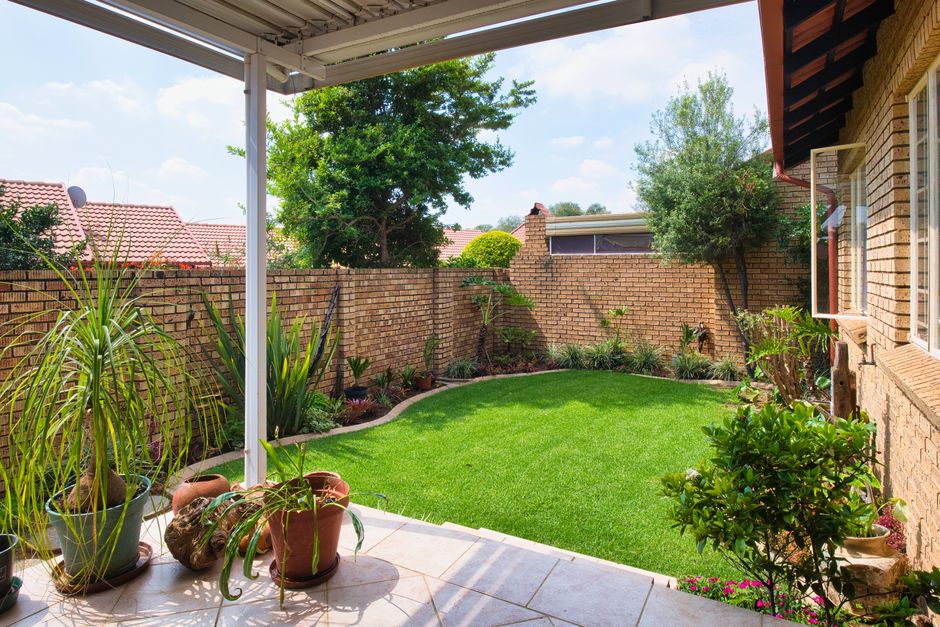
Garden care for Bell Green estate homes in Sydenham

If you live in Bell Green and share your day with a front or back garden that needs regular attention, you already know the difference a well-kept outdoor space makes. It changes how the home feels, how neighbours experience the street, and how much work you face when spring turns into summer, or when one wet week suddenly becomes three. Garden care for Bell Green estate homes in Sydenham is really about keeping that balance: tidy, healthy, usable, and not constantly becoming a weekend headache.
This guide explains what good garden care looks like for estate homes in Bell Green, how the work is usually approached, and where the biggest gains come from. It also covers common mistakes, practical checklists, and the kinds of maintenance decisions that save time later. If you want a broader view of the available support, the services overview is a useful place to start, and for routine upkeep many homeowners lean on garden maintenance for the day-to-day jobs that keep everything under control.
Truth be told, most estate gardens do not fail because of one big problem. They drift. A hedge grows a bit too far, the lawn gets patchy, a border fills with self-seeded weeds, and suddenly the whole place looks tired. The good news? That drift is very manageable once you know what to look for.
Why Garden care for Bell Green estate homes in Sydenham Matters
Bell Green estate homes often have outdoor spaces that sit somewhere between private and communal in feel. Even when a garden is technically yours, it still contributes to the wider look of the estate. That means garden care is not just about making grass shorter. It is about keeping the property presentable, practical, and safe enough to use without hesitation.
On a rainy London week, small problems appear fast. Moss starts to creep across paving. Lawn edges soften into the path. Hedges block light from a kitchen window. A bin area becomes cluttered. None of it sounds dramatic on its own, but together it creates that slightly neglected feeling people notice immediately when they walk up the path.
There is also a practical side. A tidy garden is easier to inspect, easier to water, easier to enjoy, and easier to hand over if you ever move. For many estate homes, garden upkeep also helps reduce complaints between neighbours, especially where fences, overhanging branches, or shared boundaries are involved. It is one of those jobs that pays you back quietly.
A well-cared-for garden does not need to be flashy. It just needs to look intentional, healthy, and easy to live with.
That is why a structured approach matters more than occasional bursts of enthusiasm. A one-off tidy-up can make a huge difference, but ongoing care is what keeps the space from sliding back again. If a garden has got away from you, a proper garden clearance can reset the space before regular maintenance takes over.
How Garden care for Bell Green estate homes in Sydenham Works
In practice, garden care is a cycle rather than a single service. You assess the space, remove what is overgrown or broken, shape the main features, and then maintain the result at sensible intervals. For estate homes, this usually means treating the garden as a living system rather than a set of isolated tasks. The lawn affects the borders. The borders affect drainage. The hedges affect light. And so on.
The work normally starts with a quick property-specific assessment. That sounds formal, but it can be as simple as walking the garden and asking a few practical questions: What looks messy first? Which areas are used most? Is there a seasonal issue like leaf fall, damp shade, or fast-growing hedges? From there, a sensible plan can be built.
Depending on the garden, the plan may include lawn mowing, edging, border weeding, hedge trimming, light pruning, pressure-free cleanup of paths and paved areas, and occasional wider work like planting refreshes or structural improvements. In bigger or more neglected spaces, it may also involve broader landscape gardening or even small-scale landscaping to improve usability, drainage, or the shape of the garden.
The key thing is consistency. A garden that gets clipped, checked, and tidied regularly usually takes less effort than one left for months and then tackled in a rush. Not glamorous, I know. But it works.
Key Benefits and Practical Advantages
There are several clear gains from structured garden care for Bell Green estate homes in Sydenham, and most of them show up in everyday life rather than in some abstract "kerb appeal" sense.
- Better first impressions: Neat lawns, clipped hedges, and clean borders make the home feel looked after.
- More usable outdoor space: You can actually sit out, walk through, or let children play without first doing a rescue mission with the shears.
- Lower long-term effort: Regular maintenance prevents the sort of growth that becomes a whole-day job later.
- Healthier plants: Weeding, pruning, and correct cutting help plants perform better and avoid avoidable stress.
- Less risk around access routes: Clear paths, tidy steps, and controlled growth reduce trip hazards and obstruction.
- Better boundary control: Hedges and shrubs stay within reasonable bounds, which matters a lot on estate plots.
There is a quieter benefit too: you feel better about the place. You notice the garden more when you open the back door at breakfast. You notice less mess from the kitchen window. The whole home just settles a bit. People often underestimate that.
And if your garden includes decking or hardstanding, the benefit of good upkeep becomes even more obvious. Leaves, algae, and debris can make these areas slippery or simply scruffy, so it helps to think beyond the lawn alone. Where needed, decking services can support both function and finish.
Who This Is For and When It Makes Sense
This kind of garden care is a strong fit for a few different situations. If any of these sound familiar, you are probably the target reader for this topic.
- Busy homeowners who want the garden to stay under control without spending every spare Saturday on it.
- Older residents who may want reliable help with heavier or awkward tasks.
- Families who need a safe, clean, easy-to-use garden for children and pets.
- Landlords and property managers who need the exterior to stay presentable between tenancies or inspections.
- Homeowners preparing to sell who want the outside of the property to support the inside.
- Residents dealing with seasonal overgrowth after a wet spring or a busy summer stretch.
It also makes sense when you are at that slightly annoying stage where the garden is not actually a disaster, but it is no longer easy. You know the one. The kind of garden where you keep thinking, "I'll sort it next weekend," and then next weekend comes with rain and a birthday party and the whole thing slips again.
That is usually the best moment to act. Not once everything has become tangled. Earlier than that is cheaper, calmer, and far less frustrating.
Step-by-Step Guidance
If you want a practical way to approach garden care in Bell Green, use this sequence. It keeps the job orderly and avoids the common trap of trying to do everything at once.
- Walk the garden slowly. Look for overgrowth, broken branches, weeds, bare patches, standing water, and anything blocking access.
- Decide what is urgent. Safety issues, blocked paths, and heavy overgrowth come first. Beauty can wait a little. Safety should not.
- Clear the obvious clutter. Remove loose litter, old pots, dead growth, and anything that makes the space feel messy before you start cutting.
- Work from the edges in. Trim hedges, define borders, and tidy pathways before you tackle the central lawn or planting beds.
- Mow and edge the lawn. A clean cut with defined edges changes the whole look fast. It is almost unfair how much of a difference it makes.
- Cut back only what is needed. Over-pruning is a real mistake. Keep the shape, keep the health, and do not shave everything bare.
- Check drainage and surface condition. Look for compacted soil, puddling, moss, or sloping spots that may need a smarter fix.
- Finish with a proper clear-up. Bag cuttings, sweep paths, and leave the site neat. A tidy finish is not cosmetic; it is part of the job.
- Set a maintenance rhythm. Agree how often mowing, hedge trimming, and general maintenance should happen so the garden stays on track.
If the garden is already heavily overgrown, it is often better to start with a reset before moving into ongoing upkeep. Once the space is back in shape, the maintenance cycle becomes far easier to hold. That first clean-up can feel like the hard part. After that, things get easier, really.
Expert Tips for Better Results
In our experience, the best results come from small decisions made consistently. Not from dramatic intervention. Here are the habits that tend to make the biggest difference in Bell Green estate gardens.
- Keep cutting tools sharp. A clean cut is healthier for plants and easier to manage than a ragged one.
- Do not let grass get too long between cuts. Long grass is harder on the mower, harder on the lawn, and a bit of a sulk to deal with, honestly.
- Trim hedges before they become a problem. Light, regular shaping is easier than rescuing a hedge that has swallowed the fence line.
- Mulch where appropriate. It can help retain moisture and reduce weeds, especially around planting beds.
- Watch shady areas carefully. London gardens often have damp, shaded corners that invite moss and persistent weed growth.
- Use the season to guide the work. Spring and early summer are often about growth management; autumn is about clearing and preparing.
- Be cautious with tree work. If branches are large, awkward, or close to structures, it is better to treat them carefully and assess the risk properly.
A small but useful habit: photograph the garden before and after each maintenance visit. It helps you spot patterns over time, especially where one section repeatedly gets patchy or one hedge keeps pushing out faster than the rest. Little details like that save money and guesswork later.
And yes, sometimes the simplest answer is just to keep on top of it. Not thrilling. But very effective.
Common Mistakes to Avoid
Most garden problems in estate settings are not caused by bad intentions. They happen because jobs are delayed, rushed, or handled in the wrong order. Here are the mistakes that show up most often.
- Leaving everything until the space looks "bad enough". By then, the work is usually bigger, slower, and more expensive.
- Cutting too much at once. This can stress plants, leave ugly gaps, and create more recovery work later.
- Ignoring the lawn edges. Edges might seem minor, but untidy edges make the whole garden look unfinished.
- Forgetting about hidden corners. Side returns, bin stores, and fence lines often collect the worst mess.
- Using the wrong approach to hedges and shrubs. Not every plant should be trimmed the same way or at the same time.
- Skipping the clear-up. Leaving clippings behind can block drains, damage lawns, and make hard surfaces slippery.
- Trying to manage heavy tree work casually. That one really should be handled with care.
Another common issue is assuming that a garden maintenance visit and a garden restoration visit are the same thing. They are not. One keeps things steady. The other fixes drift and damage. Understanding the difference helps set realistic expectations from the start.
Tools, Resources and Recommendations
You do not need a shed full of professional gear to care for a Bell Green estate garden, but the right basics do matter. The aim is to work efficiently and safely, not wrestle with blunt tools and hope for the best.
| Task | Useful tools | What to watch for |
|---|---|---|
| Lawn care | Mower, edging tool, rake | Uneven cutting height, wet grass, missed edges |
| Hedge trimming | Hedge trimmer, secateurs, gloves | Over-cutting, poor shape, hidden nesting or damage |
| Border tidy-up | Hand fork, hoe, trowel, bags | Disturbing roots, spreading weeds, leaving debris behind |
| Clearance work | Rakes, bins, sacks, pruning tools | Heavy lifting, thorny cuttings, overfilled waste sacks |
| Tree and shrub management | Pruning tools, ladder only with caution, PPE | Unsafe access, large limbs, falling debris |
For homeowners who want a lighter touch, regular lawn mowing and periodic hedge trimming tend to offer the best return on effort. If the garden has become cluttered with waste, cuttings, or old materials, a proper garden clearance visit can give you the clean slate you need.
You may also find it helpful to review how a provider handles practical matters like recycling and sustainability, because responsible disposal is part of good garden care, not an optional extra. Cuttings, soil, and green waste should not just disappear into a mystery bag in the back of a van. A little care goes a long way here.
Law, Compliance, Standards, or Best Practice
Garden care is usually straightforward, but there are a few important UK norms and common-sense rules worth respecting. These are less about red tape and more about avoiding preventable problems.
First, if a task involves tree work, large branches, or work near structures, it should be assessed carefully. Tree lopping and removal can carry obvious safety risks, and it is sensible to treat those jobs as specialist work rather than casual DIY. If there is any doubt, that is the point where caution wins.
Second, if your garden touches a path, shared boundary, or access route, keep it free from obstructions. Overhanging growth, slippery surfaces, and loose debris can create nuisance or hazard. Best practice is simply to leave the space safe and usable for the people who need it.
Third, waste should be handled responsibly. That means sorting reusable material where possible, disposing of green waste properly, and avoiding fly-tipping by accident or assumption. If a company is serious about this side of the job, it should be clear in how it approaches waste handling and environmental care.
Safety matters too. A good provider should work in line with sensible health and safety practice, use appropriate protective equipment, and avoid risky shortcuts. If you are comparing suppliers, it is fair to ask about their approach to health and safety and their broader insurance and safety arrangements. That is not being fussy. It is being sensible.
Finally, customer service matters in a practical way. Clear scope, clear pricing, and clear expectations reduce disputes. Reading the terms and conditions and complaints procedure can save a surprising amount of irritation later. Nobody loves that part, but it is better to know where you stand.
Options, Methods, or Comparison Table
Different estate gardens need different levels of input. A simple comparison helps you decide what kind of care makes sense.
| Approach | Best for | Strengths | Limitations |
|---|---|---|---|
| DIY upkeep | Small, manageable gardens and confident homeowners | Low direct cost, flexible timing | Time-consuming, easy to let slip, harder for larger or awkward spaces |
| Routine maintenance service | Homes that need regular, predictable care | Consistent results, less stress, easier to plan around seasons | May not solve long-neglected issues on its own |
| Clearance plus maintenance | Overgrown or cluttered gardens | Resets the space, then keeps it under control | More initial effort than routine care alone |
| Landscape improvements | Gardens with poor layout, drainage, or weak usability | Can transform how the space works day to day | Usually needs planning and a bigger budget |
For many Bell Green estate homes, the sweet spot is a combination of routine maintenance and targeted improvements when needed. If the garden is already under pressure from layout or surface issues, measured landscaping can help the space work better rather than simply look tidier.
Case Study or Real-World Example
Picture a typical Bell Green estate home with a small front lawn, a narrow side return, and a back garden that gets partial shade most of the day. Nothing unusual. The owner had let things drift for a couple of months after a busy work period, and by early summer the lawn had gone coarse, the hedge had started leaning outward, and the side path had become a bit of a leaf trap.
The first visit focused on the reset: a full tidy-up, removal of debris, mowing, hedge shaping, and clearing the corners where weed growth had gathered. The back of the garden immediately felt bigger, which always surprises people. It was not actually bigger, of course. It just became visible again.
After that, the maintenance plan was simple. Mowing on a regular cycle, light hedge trimming before growth got out of hand, and occasional inspection of the shaded areas where moss and damp were more likely to return. A few weeks later, the garden no longer felt like a task hanging over the homeowner's head. It felt manageable.
That is the real win. Not perfection. Just a garden that behaves itself.
Practical Checklist
Use this checklist before or after any garden care visit. It keeps the job grounded and helps you spot what still needs attention.
- Grass is cut to a sensible, even height
- Edges are trimmed cleanly
- Hedges are shaped without over-cutting
- Paths and access routes are clear
- Weeds are removed from beds and paving
- Dead or damaged growth has been cleared
- Debris and clippings have been removed
- Drainage issues or puddling spots have been noted
- Tree branches near structures have been checked carefully
- Bin areas, fences, and corners look tidy rather than forgotten
- The overall garden feels safe, usable, and finished
Expert summary: If you want garden care to stay easy in Bell Green, focus on regular maintenance, early intervention, and clear finishes. The biggest mistake is waiting too long and then treating a living space like a one-time cleanup. Gardens respond best to rhythm, not rescue.
Get a free quote today and see how much you can save.
If you are exploring local support, it is also worth learning more about the team behind the work through the about us page and checking the practical next step on the contact us page when you are ready. For homeowners comparing costs, the pricing and quotes information can help you decide what level of service suits the garden and your budget.
Conclusion
Garden care for Bell Green estate homes in Sydenham works best when it is steady, realistic, and shaped around the way people actually live. The aim is not a show garden every week. It is a garden that feels neat, healthy, and easy to enjoy without constant catch-up work. Once you get into that rhythm, the whole property benefits.
Whether your space needs a simple tidy, a seasonal reset, or a more thoughtful maintenance plan, the most useful thing you can do is act before the garden becomes stressful. That is where the savings are, both in time and money. And honestly, it just feels better to open the back door and see a garden that's looking after itself for once.
For a clearer picture of the options available, you can also review the wider services overview and choose the level of support that fits your home. A well-kept garden does not shout for attention. It quietly makes everything else feel more settled.
Frequently Asked Questions
What does garden care for Bell Green estate homes in Sydenham usually include?
It usually includes lawn mowing, hedge trimming, weeding, border tidying, debris removal, and seasonal upkeep. In some cases, it also includes clearance work or light landscaping where the garden needs a reset.
How often should an estate garden be maintained?
That depends on the size of the garden, the season, and how fast things grow, but most homes benefit from regular visits rather than occasional big clean-ups. Grass and hedges tend to drive the schedule.
Is a one-off garden clearance enough?
It can help a lot if the garden has become overgrown, but one-off clearance is usually best followed by routine maintenance. Otherwise the same problems tend to come back, sometimes quickly.
What is the difference between garden maintenance and landscaping?
Garden maintenance keeps the space neat and functioning well through routine care. Landscaping changes the structure, layout, or features of the garden. Maintenance is ongoing; landscaping is more about improvement or transformation.
Can small estate gardens still benefit from professional care?
Yes, very much so. Small gardens can look tidy quickly, but they can also become cluttered or uneven fast. Professional care helps keep them manageable and makes the space feel larger.
What should I do before booking garden care?
Walk the garden, note the problem areas, and decide whether you need a tidy-up, clearance, regular upkeep, or a mix of services. If there are safety concerns or large branches, mention those early.
How do I know if my hedge needs trimming?
If it is blocking light, growing into paths, obscuring boundaries, or losing its shape, it probably needs attention. Light, regular trimming is usually easier on the plant than waiting too long.
Are tree branches part of garden care?
Sometimes, yes, but larger or riskier tree work should be treated carefully. If branches are substantial, near structures, or awkward to reach, it is better to assess the job properly rather than rush it.
What makes Bell Green estate garden care different from general garden care?
The main difference is the setting. Estate homes often have smaller, more visible, or more boundary-sensitive gardens, so presentation, access, and consistency matter more. The work has to fit the character of the home and the street.
How can I keep costs under control?
The best way is to stay ahead of overgrowth. Small, regular jobs are generally easier to manage than large repair-style visits. Clear communication about scope also helps avoid surprises.
What should I ask a gardening provider about safety and reliability?
Ask how they handle tools, waste, access, and insurance, and whether they work to clear health and safety expectations. It is also sensible to check how they manage complaints, payment, and any site-specific risks.
Can garden care improve property value or buyer appeal?
It can improve presentation and the overall feel of the home, which matters when buyers or visitors first arrive. You do not need a perfect garden, just one that looks cared for and easy to maintain.